
PRP 101: Everything You Need to Know About PRP for Hair Loss
16th February 2026
In recent years, the search for “natural hair growth” solutions has hit a five-year high. Patients are increasingly looking for ways to restore their hair without resorting to harsh chemicals or invasive surgery. Amidst the noise of trends and fads, one treatment has quietly established itself as the gold standard for hair preservation: PRP for hair loss.
At the Farjo Hair Institute, we believe in patient education above all else. As a CQC ‘outstanding’ rated clinic, we want to cut through the confusion. Here is your “101 Guide” to understanding the science, safety and realistic results of Platelet Rich Plasma (PRP).
What Exactly is PRP for Hair Loss?
PRP stands for Platelet Rich Plasma. It is distinct from other treatments because it is not a drug, a pharmaceutical, or a synthetic chemical. It is a concentration of your own biology.
While your blood is famous for carrying oxygen, it also contains platelets. These platelets are cells best known for clotting blood to stop bleeding, but they have a second, equally powerful function: they are the body’s primary source of Growth Factors.
“Think of your scalp like a garden and your hair follicles like plants,” says Dr Bessam Farjo. “If the plants are wilting, just watering them may not be enough. PRP acts like a biological fertiliser. We inject concentrated growth factors directly to the root, waking up ‘sleepy’ follicles and signalling them to grow thicker and stronger.”
How Does the Procedure Work?
Using PRP for hair loss is a straightforward, three-step medical process that typically takes less than an hour. Because it utilises your own blood, the risk of allergic reaction is virtually non-existent.
- The Draw: We take a small sample of blood from your arm, very similar to a standard blood test you might have at your GP.
- The Spin: This blood sample is placed in a specialised medical centrifuge. The machine spins at high speeds to separate the red blood cells from the plasma. This process concentrates the platelets to 3–5 times their normal levels, creating “liquid gold.”
- The Delivery: This platelet-rich plasma is then carefully injected into the scalp at the level of the hair follicle using a fine needle.
Who is the Ideal Candidate?
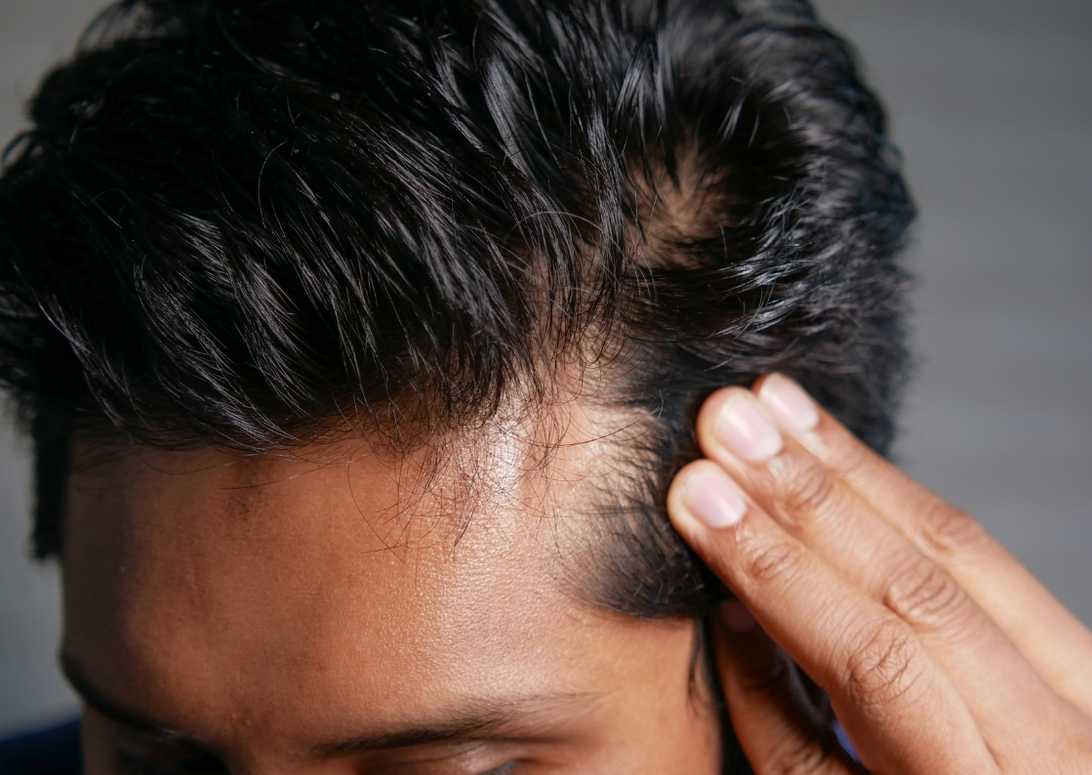
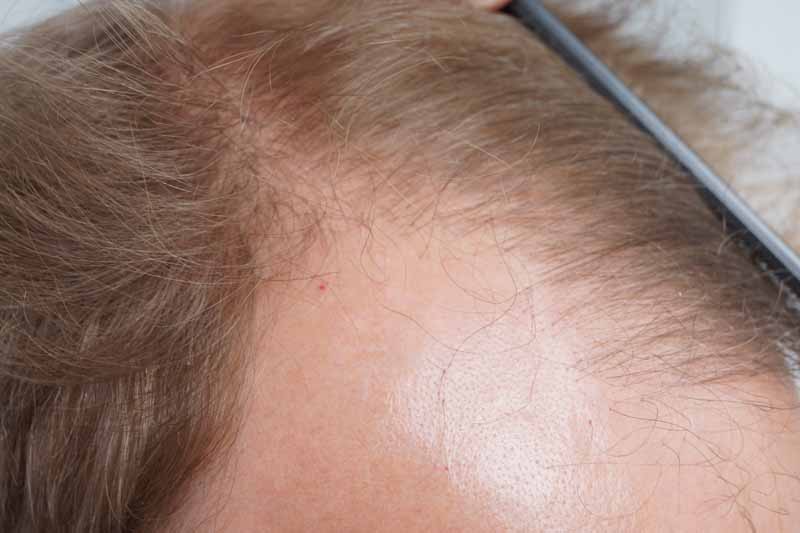
Managing expectations is critical. PRP is more of a preservation treatment, not a cure for total baldness. If an area of the scalp is completely smooth and shiny, the follicles are likely gone, and PRP will not bring them back.
The treatment is most effective for:
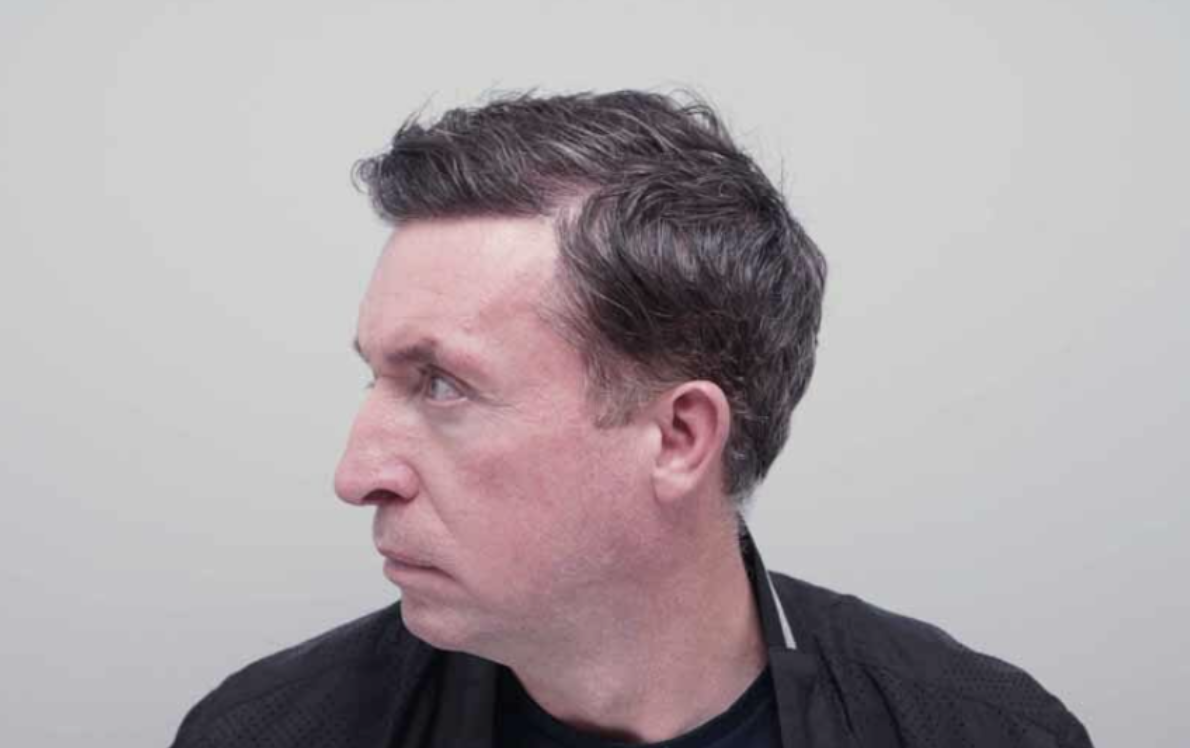
- Early-stage thinning: Men or women who are noticing their hair becoming finer but are not yet bald.
- Hair rejuvenation: Patients wanting to improve the caliber and quality of existing hair.
- Surgery support: We often use PRP as an ‘add-on’ for hair transplant patients to accelerate healing and protect pre-existing hair from shock loss.
Dr Nilofer Farjo explains the biology: “Hair loss doesn’t happen overnight. Hairs get thinner and shorter over years – a process called miniaturisation. PRP has the capacity to increase hair shaft thickness and prolong the ‘Anagen’ (growth) phase, effectively reversing this miniaturisation.”
Does PRP For Hair Loss Hurt?
A common fear regarding PRP for hair loss is the pain of injections. However, most patients describe the sensation as mild discomfort rather than pain.
At the Farjo Hair Institute, patient comfort is a priority. We use the finest needles available and utilise a vibration tool to soothe the scalp during injections, which distracts the nerves and minimises sensation. Alternatively, we can administer a local anaesthetic to numb the scalp entirely before treatment begins, making the process virtually painless. Best of all, there is no downtime – you can return to work immediately after your appointment.
Costs and Treatment Protocol
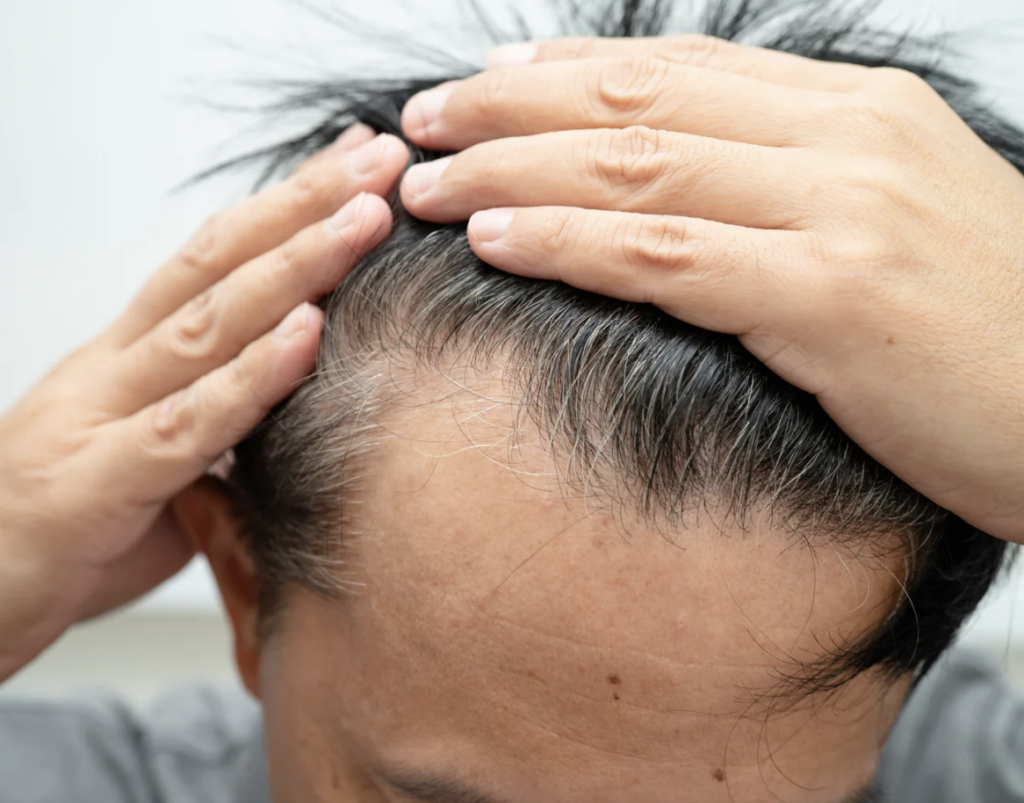
Biology takes time. One session is rarely enough to alter the hair growth cycle significantly. To see real results, consistency is key.
- The Course: We recommend an initial course of 3 treatments, spaced 4 weeks apart, to “jumpstart” the follicles.
- Maintenance: To keep the growth factors active and maintain the results, top-up sessions are typically needed every 3–6 months.
- The Cost: Treatment at the Farjo Hair Institute is £500 per session.
If you are concerned about thinning hair and want to explore a non-surgical, biological solution, PRP for hair loss could be the preservation strategy you need.
Frequently Asked Questions about PRP for Hair Loss
- How long does it take to see results from PRP? Because PRP works by stimulating your biological growth cycle, results are not immediate. Most patients begin to notice an improvement in hair texture and a reduction in shedding after the second or third session (around 2–3 months). Visible thickening typically occurs between months 4 and 6.
- Can I wash my hair after PRP treatment? Yes. One of the main benefits of PRP for hair loss is the lack of downtime. You can return to your normal routine immediately. We generally advise waiting until the following morning to wash your hair to allow the injection sites to settle fully, but you can shower and exercise as normal the next day.
- Is PRP better than a hair transplant? They are different tools for different jobs. A hair transplant relocates hair to cover bald spots, whereas PRP protects and thickens the hair you still have. For many patients, the best approach is a combination of both: using a transplant to restore the hairline and PRP to prevent further thinning behind it.
- Are the results of PRP permanent? No medical treatment for hair loss is strictly “permanent” because the gene for hair loss persists. PRP pushes the hair into a growth phase, but the effects will fade over time if not maintained. To keep the benefits, we recommend a maintenance session every 3 to 6 months.
- Can women have PRP for hair loss? Absolutely. In fact, PRP is often one of the first-line treatment for our female patients. Women typically experience “diffuse thinning” (general loss of volume) rather than distinct bald spots, making them excellent candidates for the thickening effects of Platelet Rich Plasma.
Get in touch to book your consultation.