How Much Does a Hair Transplant Cost? Understanding the True Value of Hair Restoration
6th May 2026
It’s the most common question patients ask during their initial research: how much does a hair transplant actually cost? When looking at the initial price tag, hair transplant surgery is undeniably a significant financial commitment. However, to understand the true cost, we have to look at the value, longevity and medical expertise involved in the procedure.
When you break down the numbers, a hair transplant is actually one of the most cost-effective surgical investments you can make.
Treating a Medical Condition, Not Just an Aesthetic One
Hair loss is usually a symptom of a recognised medical condition. While the cosmetic benefits of a restored hairline or crown are often the most visible result for patients seeking surgery, we firmly believe it deserves to be treated with the same clinical rigour as any other physical ailment. After all, the most common reason to have a hair transplant is a recognised medical condition: androgenetic alopecia, also known as male or female pattern hair loss.
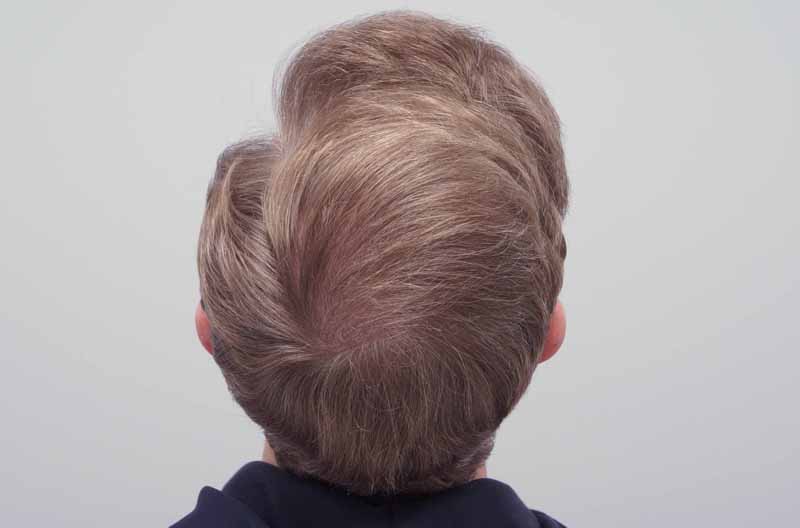
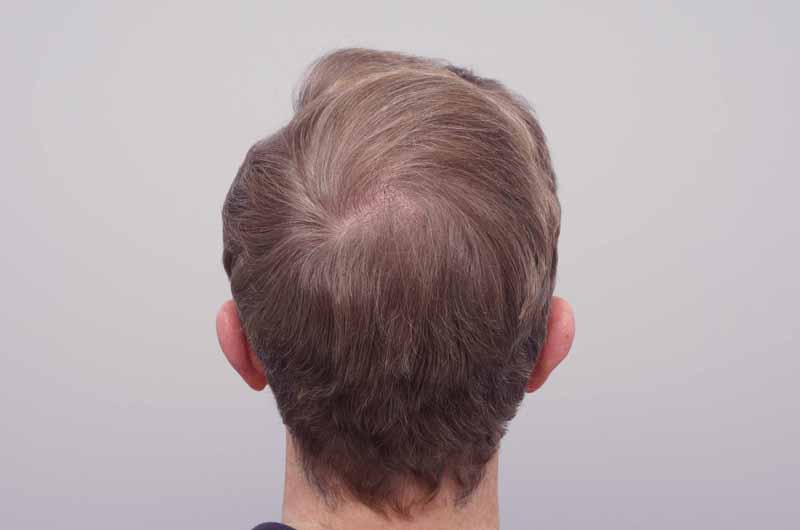
By contrast, a high-quality hair transplant offers a lasting, long-term medical solution. It relies on surgically relocating your own healthy hair follicles to thinning areas. While those specific transplanted hairs are typically long term and will continue to grow naturally for the foreseeable future, it is important to remember that your overall hair loss in the surrounding areas can still progress. Even transplanted hairs can age naturally without the support of other non-surgical treatments. Depending on how your native hair thins as you age, some patients may require a secondary “top-up” procedure later down the line to maintain density. However, the psychological return on investment – taking control of your hair loss and restoring your confidence – is unparalleled.
What Are You Actually Paying For?
When you pay for a hair transplant at a world-class clinic, you are not just paying a flat fee for the hair follicles. You are investing in an intensive, medically rigorous environment.
Here is what a typical surgical day at the Farjo Hair Institute involves:
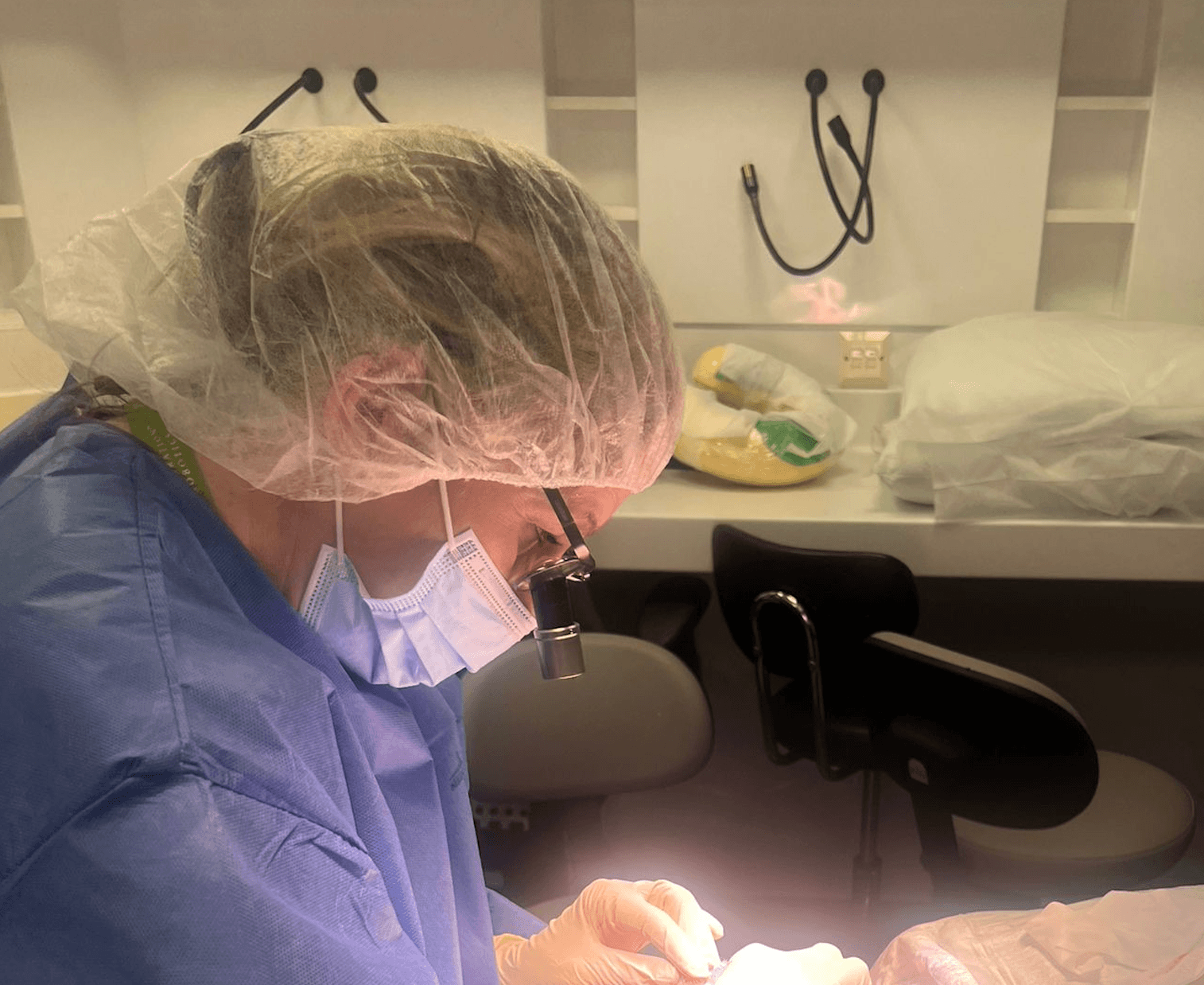
- An 8-10 Hour Commitment: A standard hair transplant is a full-day procedure. For those eight plus hours, an entire state-of-the-art surgical theatre is dedicated exclusively to you.
- The Clinical Team: A successful, natural-looking transplant cannot be done by one person. It requires a highly coordinated clinical team. Your procedure is led by dedicated GMC-registered doctors, supported by up to 4-6 specifically and exclusively trained technicians who spend hours meticulously preparing and sorting your grafts under very high powered magnification..
- Uninterrupted Medical Expertise: Our core promise is that at least one GMC-registered doctor is always actively focused on your procedure. This carefully managed setup guarantees that every single patient – no matter which surgeon they see – receives the exact same standard of continuous, undivided medical attention at all times.
Our Surgical Standards: The Cost of Quality
It is entirely possible to perform a hair transplant faster and cheaper. However, the only way to reduce the cost is to reduce the quality of care, the size and the experience of the medical team, or the sufficient and proper involvement of a qualified doctor.
The UK is currently seeing a rise in unregulated or illegally practicing clinics offering cut-price procedures by allowing non-medically qualified technicians to perform the surgical parts of the procedure. This often leads to unnatural results, depleted donor areas, and serious medical complications. Technicians normally play an important role but only in assisting the doctor and sticking to the non-surgical parts of the process.
We refuse to compromise on patient safety, medical principles and the artistic perfection of our procedures to lower the price. At the Farjo Hair Institute, any step that involves cutting through skin whether in the donor area during the extractions or in the recipient for the incisions to receive the grafts is performed by our GMC-registered doctors. We never delegate surgical steps to technicians including harvesting the grafts.
Frequently Asked Questions: Hair Transplant Costs
-
Why do hair transplant prices vary so much between UK clinics?
The biggest factor driving price differences is the level of medical expertise provided. Cheaper clinics often reduce costs by delegating the surgical steps (the recipient incisions and the skin cutting part of the extractions) to non-medical technicians, with a doctor only briefly supervising. Additionally, to make up the difference in daily income, they usually line up many procedures at the same time in multiple rooms in a conveyor belt fashion. At the Farjo Hair Institute, our fees reflect our strict “Zero Technician Delegation” policy when it comes to the surgical parts of the process. You are paying for highly experienced, GMC-registered surgeons to perform 100% of your surgical incisions for the recipient as well as the extractions area.
-
How is the cost of my hair transplant calculated?
There is no one-size-fits-all price because hair loss is a highly individual medical condition. The cost is primarily determined by the number of follicular unit grafts you need to achieve your desired density, as well as the surgical technique used (FUE or FUT). During your initial consultation, we assess your donor hair quality and the size of the thinning area to provide a transparent, bespoke quote. As a guide, our fees are typically £3000 set up fee + £3 per graft.
-
Are there ongoing or hidden costs after the surgery?
We ensure all surgical fees and immediate aftercare costs are completely transparent upfront. However, it is important to factor in the long-term medical management of your hair loss. Because hair can continue to thin as you age, we often recommend ongoing preventative treatments (like clinically proven oral or topical medications) to protect your hair generally. Some patients may also choose to budget for a secondary “top-up” transplant years later if their natural hair loss progresses.
-
Can I get a hair transplant on the NHS?
Although hair loss is usually the result of a recognised medical condition or trauma that can cause significant psychological distress, hair transplant surgery is generally classed as an elective private procedure. Therefore, it is not currently available on the NHS for male or female pattern baldness, meaning patients must fund the treatment privately. There may be exceptions to this if the hair loss has resulted from a different condition or an injury.
-
Is it cheaper to go abroad for a hair transplant?
While the upfront price of “health tourism” packages abroad (or at unregulated UK clinics) may look appealing, the long-term cost can be devastating. We frequently see patients who require complex, expensive corrective surgeries to fix botched procedures, depleted donor areas, and unnatural looking hairlines caused by poor practice. Investing in a regulated, medically-led clinic from the start is the safest and most cost-effective way to protect your scalp and your donor hair. Remember, a hair transplant should be a treatment option only as part of a long term plan and strategy, and customised to each individual dependant on many factors. Only a skilled, experienced and ethical medical professional who consults with you over the years can provide you with that.
Investing in Your Future
Ultimately, a “cheap” hair transplant often ends up being the most expensive one if you have to pay for complex corrective surgery down the line to fix poor work. Not to mention the accompanying stress and anxiety of it all.
When asking how much a hair transplant costs, the better question is: what is the value of getting it right the first time? Another question is should I be getting one at all, or is this the right time for me? By investing in a highly qualified, medically led team, you are securing along-term result that will look natural, expected, and age appropriately with you.
Ready to explore your options? Book a medical consultation with our surgical team today.