Hair Transplant Recovery Rules: Smoking, Drinking, Exercise & Sweating
14th July 2026
After hair transplant surgery at the Farjo Hair Institute, the care we provide doesn’t stop when you leave the clinic. The first 14 days of recovery are important – not just for your comfort, but for the survival and quality of your newly implanted grafts.
Four questions come up again and again during this early recovery period, and they tend to follow a familiar theme: how quickly can I get back to normal? Here, our surgical team answers the most common lifestyle questions we hear after surgery and explains the clinical reasoning behind our guidance.
Key Takeaways
- Smoking: We advise stopping at least two weeks before your procedure and avoiding it for two to four weeks afterwards. Nicotine restricts blood flow, which can compromise graft survival and slow healing.
- Alcohol: Avoid for at least 48 hours before your procedure, and at least 24 hours post-surgery. Alcohol thins the blood and expands the blood vessels in your skin and therefore can increase bleeding..
- Exercise: Try and rest for the first seven days. Light aerobic exercise activity can resume from day seven, with a full return to the gym generally safe after 14 days.
- Sweating: Avoid activities that cause excessive sweating (including saunas, steam rooms and spicy food) for at least the first week post-surgery.
Can I smoke after a hair transplant?
We advise against it and the clinical reasoning is straightforward.
Whether it’s cigarettes, cigars or vaping, nicotine acts as a vasoconstrictor – it can physically narrow the blood vessels. In the early weeks after surgery, your newly transplanted grafts rely on blood supply to receive the oxygen and nutrients they need to anchor and grow. Reduced blood flow during this period can slow healing, increase the risk of infection and, in some cases, affect graft survival.
Our guidance is to stop smoking at least two weeks before your procedure and to avoid smoking for a minimum of two to four weeks afterwards. Even so, long term smoking can negatively impact the result of a hair transplant. We appreciate this isn’t straightforward for everyone and we’re happy to discuss this openly at your consultation.
Can I drink after a hair transplant?
You’ll need to hold off for at least 24 hours.
Alcohol may thin the blood and increase the size of skin blood vessels, which increases the risk of prolonged bleeding from the donor and recipient areas in the days immediately following surgery. It also dilates blood vessels, which can worsen the bleeding level during surgery and increase the post-operative swelling some patients experience around the forehead and eyes.
Our guidance is to avoid all alcohol for at least 24 hours post-surgery.
Can I workout after a hair transplant?
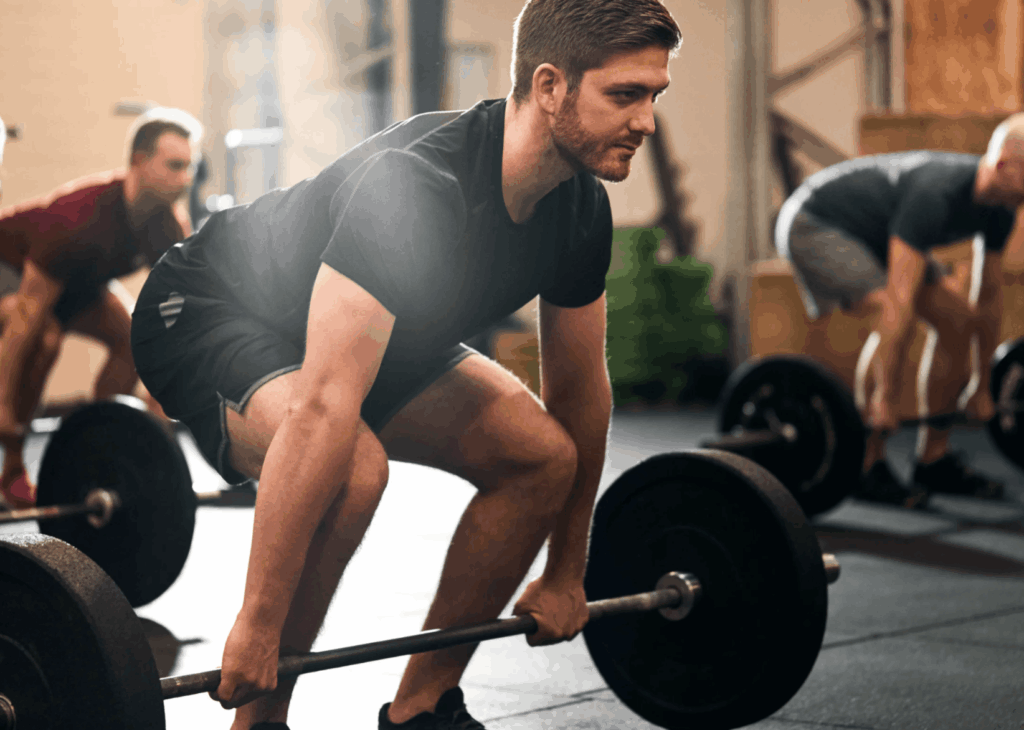
We treat a significant number of professional athletes and regular gym-goers, so we understand how disruptive pausing your usual fitness routine can feel. The honest answer is that returning to exercise too soon is one of the more common risks to an early recovery.
During intense physical activity, heart rate and blood pressure both rise considerably. In the first days after surgery, your grafts are sitting delicately in their incisions and have not yet anchored fully into the surrounding tissue. A sudden increase in blood pressure to the scalp can disturb them. Sweating (which we cover separately below) adds an additional layer of risk.
As a general guide:
Days 1-7: Rest as much as reasonably possible. Gentle, leisurely walking is fine, but avoid anything that raises your heart rate or causes straining.
Days 7-14: Light cardiovascular exercise (such as a cycling on a stationary bike or jogging) can be reintroduced, provided you are not overexerting or overheating.
After 14 days: You can generally return to heavier lifting and more intensive workouts, as the grafts will be more securely rooted by this point.
If you’re unsure about a specific activity during your recovery, please contact the clinic and we’ll advise you directly.
Can I sweat after a hair transplant?
This is closely linked to exercise, but it also applies to saunas, steam rooms, spicy food and prolonged time in hot weather.
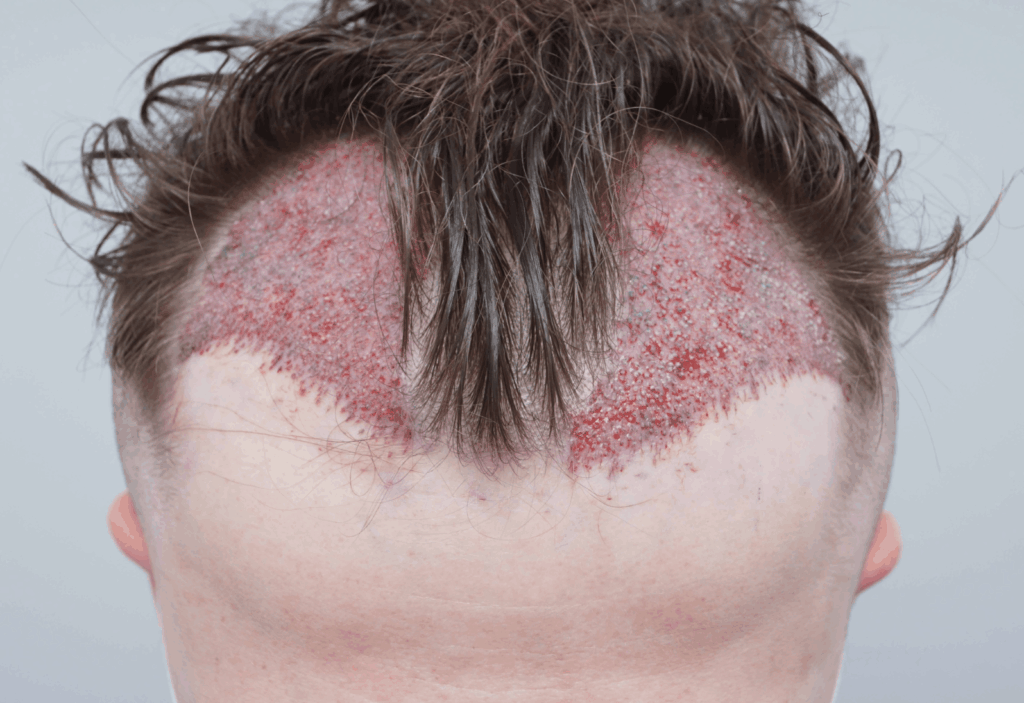
In the early healing phase, your scalp is covered in thousands of tiny micro-incisions. Excessive sweating creates a warm, moist environment on the scalp that can increase the risk of folliculitis (an infection of the hair follicles) which may affect both graft survival and your final result.
We advise avoiding activities that cause heavy sweating, including saunas and steam rooms, for at least two weeks following surgery. Following the hair-washing protocol provided by your surgical team throughout this period is essential for keeping the scalp clean during the healing phase.
A Note on Aftercare Support
The guidance above addresses the most common lifestyle questions – but recovery is individual, and questions come up. If you’re unsure about anything during your healing period, please don’t hesitate to contact the clinic. Our team is here throughout your recovery, not just on the day of surgery.
For the full step-by-step aftercare instructions our patients receive following surgery, read our complete aftercare guide here.
Ready to take the first step? Book a consultation with our surgical team.